

By Gillian Schutte
Five days in Saint Petersburg is enough time to fall under its spell. It is nowhere near enough time to understand it.
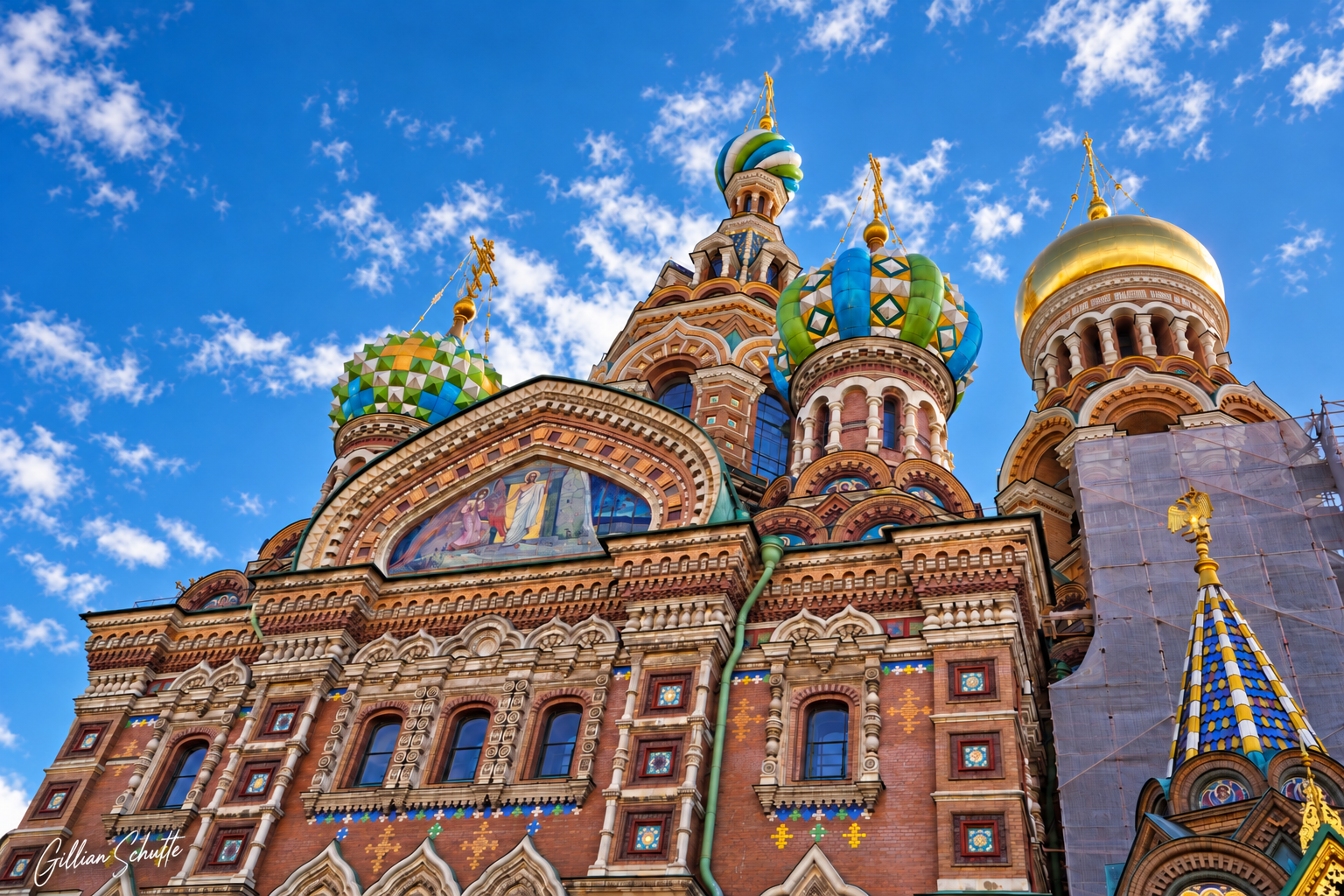
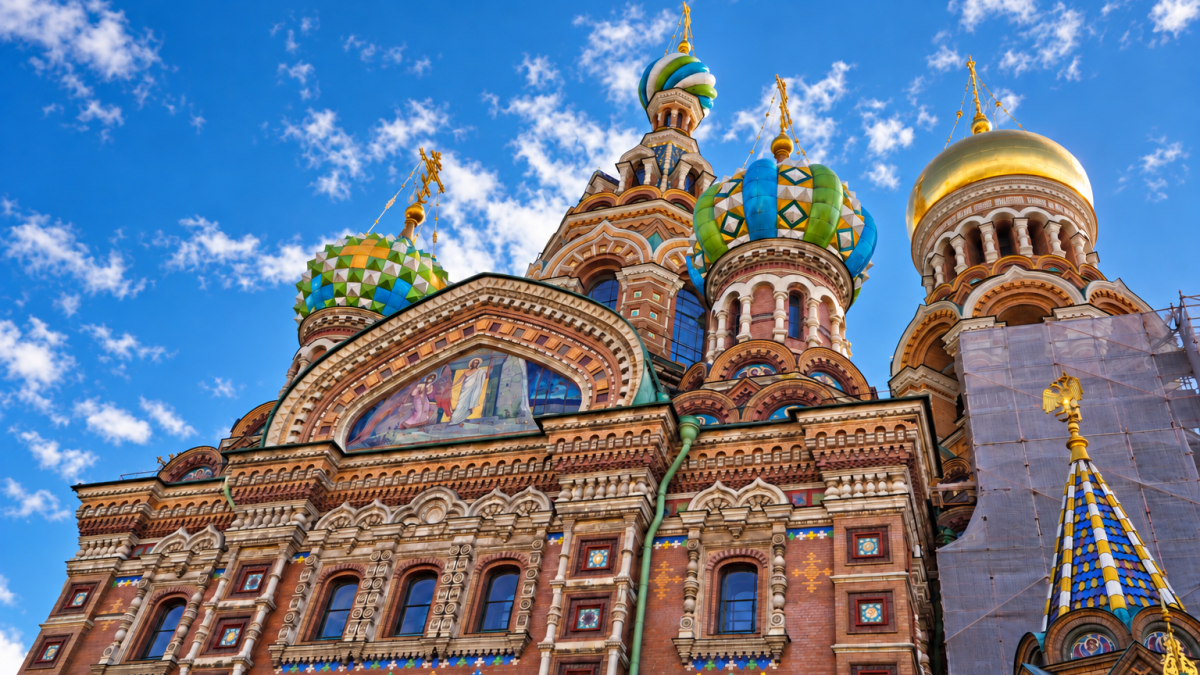
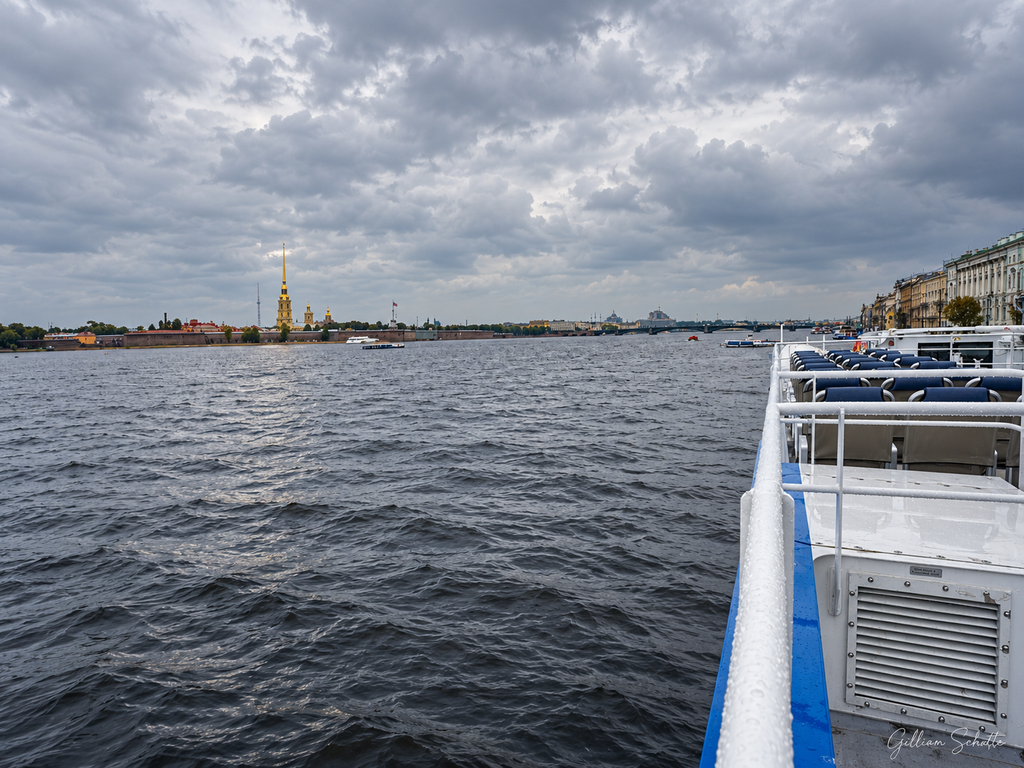
There are cities that are beautiful, cities that are historically important, and cities whose architecture overwhelms you. Saint Petersburg seems to contain all three conditions at once, layered so densely that even a short drive through its streets feels like moving through several centuries of human ambition. Palaces appear across water. Gold domes catch the northern light. Vast avenues open unexpectedly onto rivers and canals. Baroque, neoclassical, imperial and Soviet histories coexist within the same field of vision. Then the Neva opens before you and, beyond the city, the Gulf of Finland stretches towards the Baltic.
There is a quality here that is difficult to reproduce in words. Magic is an overused description in travel writing, but Saint Petersburg earns it. I have travelled widely and seen many beautiful cities, yet there is something about the concentration of architecture, water, history, art and human endeavour here that feels unsurpassed. It is not one magnificent building surrounded by the ordinary. The magnificence keeps coming.
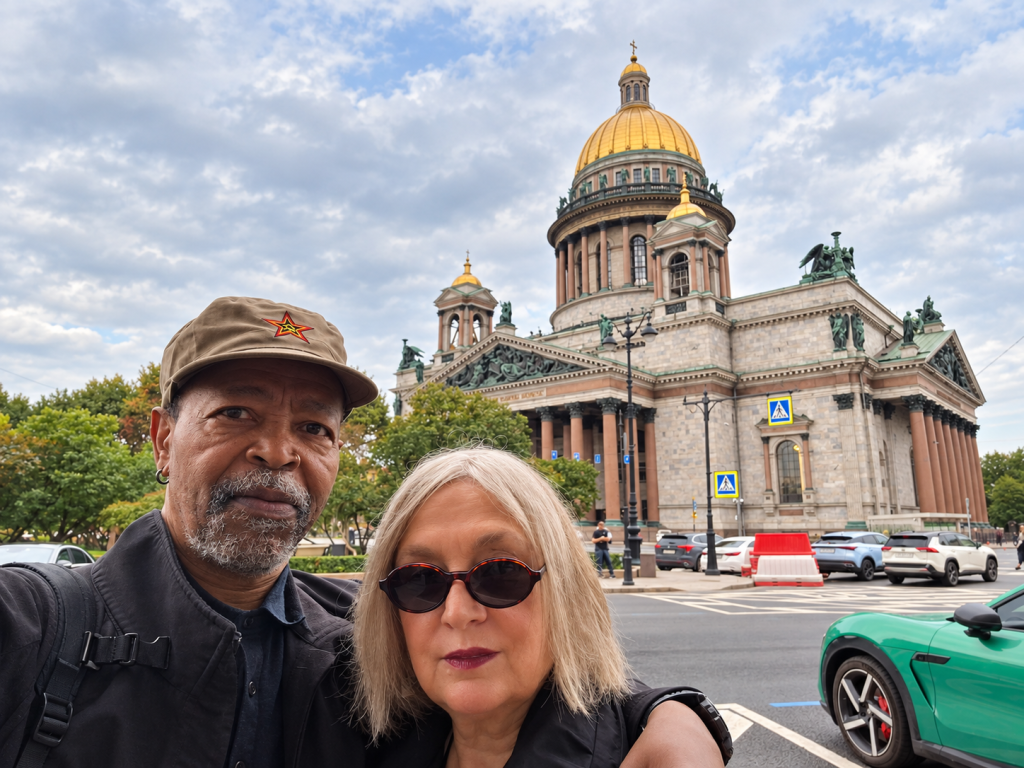
That, perhaps, was the abiding feeling Sipho, my life partner, and I carried away after an extraordinary familiarisation visit hosted by the Saint Petersburg tourism authorities, together with journalists and tourism professionals drawn from across the Global South. We were shown an enormous amount – palaces, museums, hotels, restaurants, architectural landmarks, historic districts, contemporary cultural spaces and the waterways that give this city much of its character.
Yet the more we saw, the clearer it became that we had barely opened the book.
Saint Petersburg has so many historical lives compressed into one landscape. It was founded by Peter the Great in 1703, became Petrograd in 1914, was renamed Leningrad after Lenin’s death in 1924, and regained the name Saint Petersburg in 1991. Empire, revolution, socialism, war, reconstruction and contemporary Russia exist here almost on top of one another. You feel those layers everywhere.
There is also an unmistakable pride in the city. It exists in the extraordinary care given to its architecture, in the restoration of buildings destroyed by war, in the knowledge of the guides who narrate its history, in the maintenance of parks and museums, and in the way Saint Petersburgers speak about the place they inhabit. History does not sit here as something dead and sealed off. It remains part of the city’s consciousness.
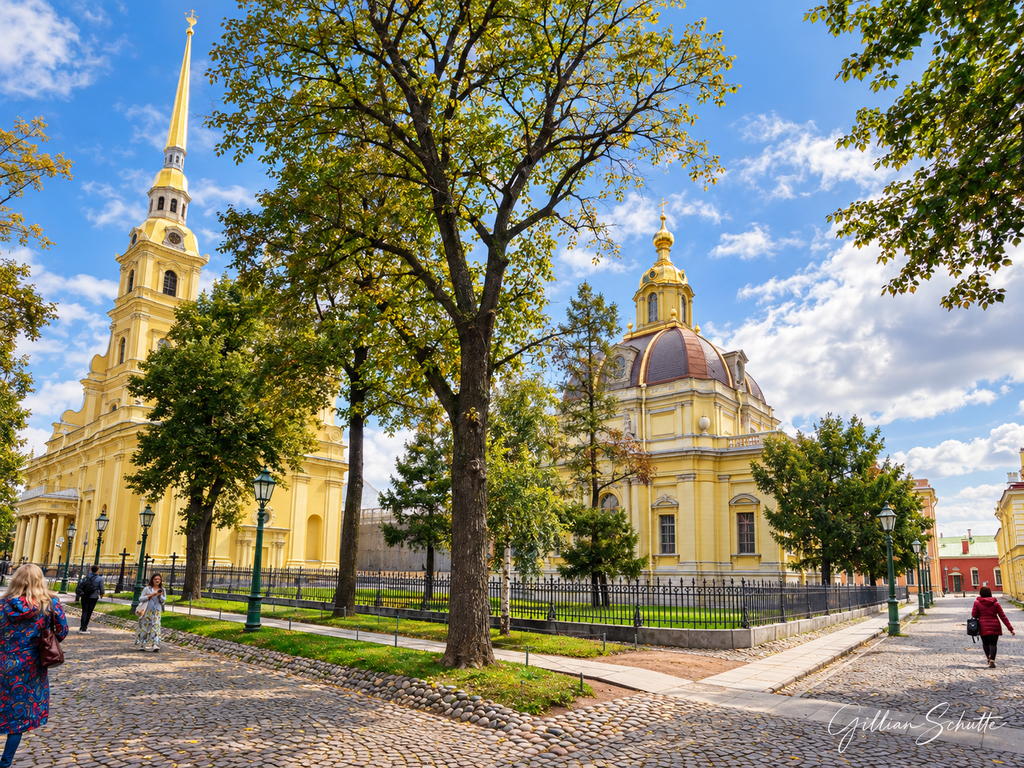
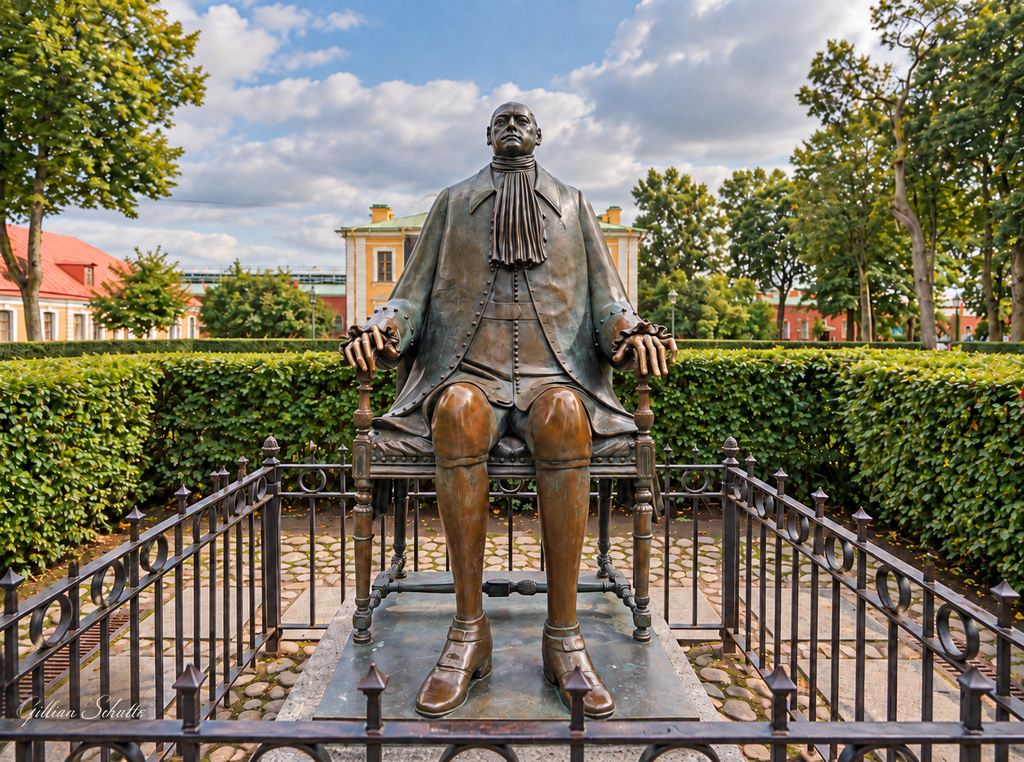
Peter the Great founded the city during the Great Northern War as Russia pushed towards the Baltic. His ambition was immense. He wanted a navy, a maritime capital and a Russia capable of standing among the major European powers. The Peter and Paul Fortress became the first great anchor of his new city, while architects, engineers, artisans, soldiers and labourers were drawn into the enormous project of constructing a capital on the Neva.
Peter is fascinating because the scale of his vision refuses easy judgement. He was a moderniser of extraordinary energy and ruthlessness. He transformed Russia’s institutions, military capacity and relationship with Europe. He also commanded vast human resources in pursuit of that project. Conscripts, soldiers, craftsmen, peasants and serfs carried much of the physical burden of building his new capital.
That contradiction becomes increasingly difficult to ignore as you encounter the magnificence that followed.
And then there was Peter’s other side – the playful, mischievous ruler who appears to have taken enormous delight in water.
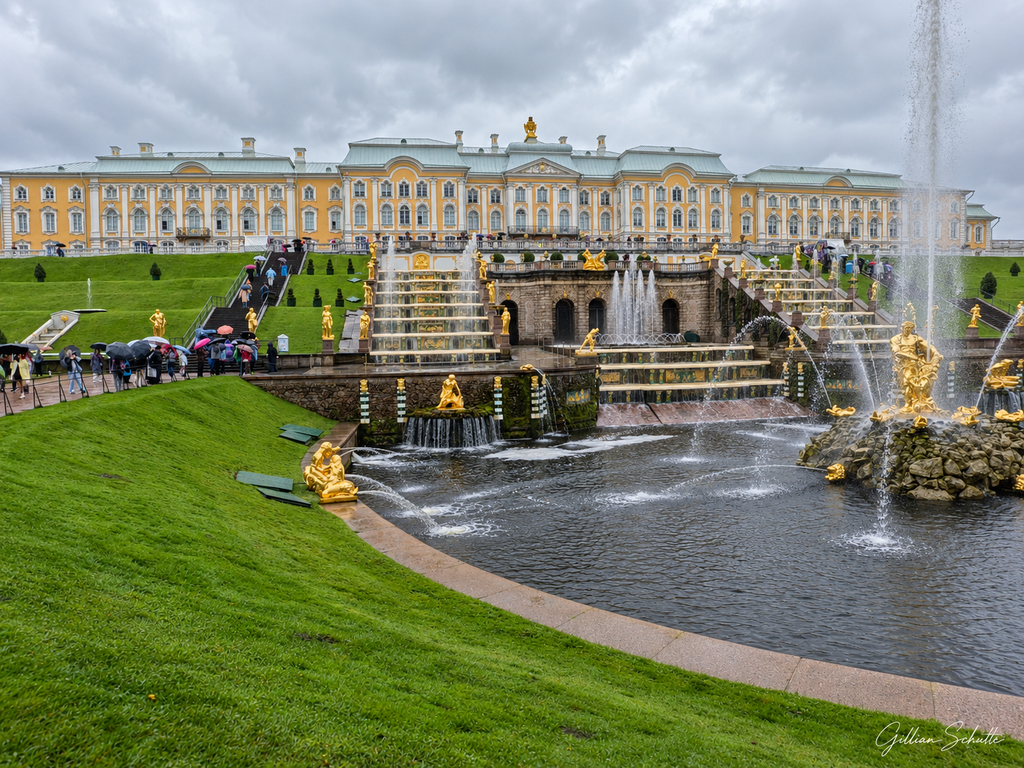
Peterhof makes this abundantly clear. Its gardens are an extraordinary feat of landscape design and hydraulic engineering, with more than 150 fountains and cascades operating through a gravity-fed water system rather than pumps. Peter himself participated in the design of the ensemble.
But grandeur was apparently not enough for him. He also wanted mischief.
Peter loved trick fountains – concealed jets designed specifically to drench unsuspecting guests. Visitors approaching what appeared to be an innocent garden seat or pathway could suddenly find water shooting up from hidden jets. In Peter’s day these contraptions were sometimes known as “wet places”. He apparently took great pleasure in watching impeccably dressed courtiers get caught by them.
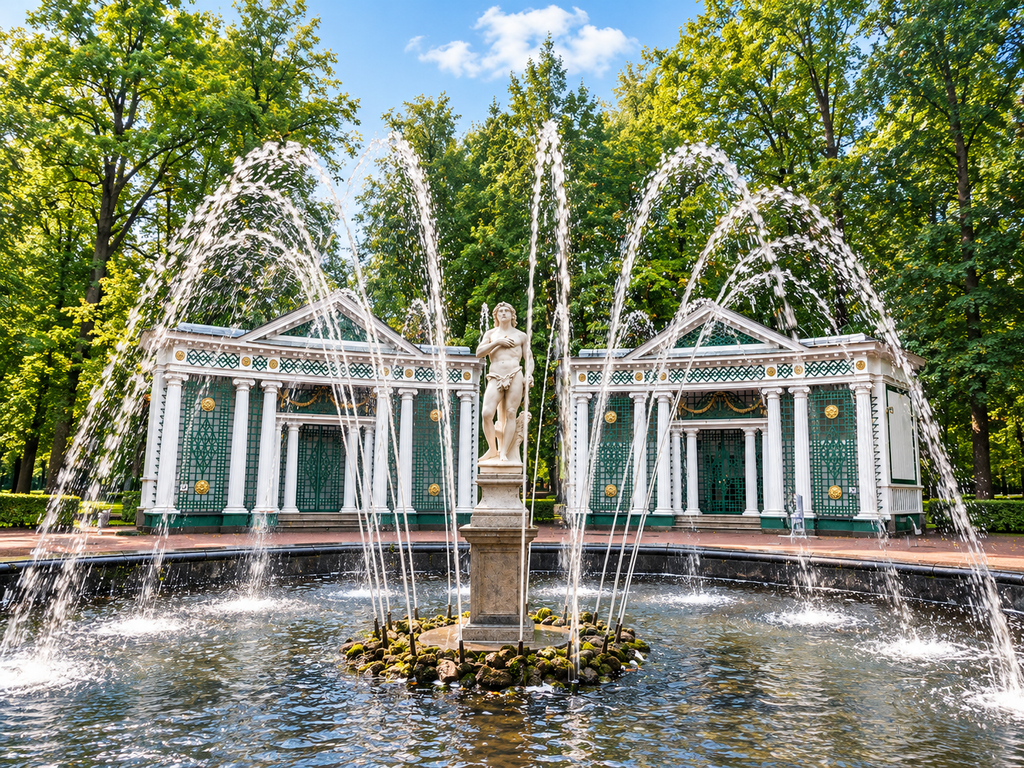
Three hundred years later the joke still works.
Sipho discovered this personally.
We were walking through the gardens, cameras in hand and happily admiring Peter’s magnificent landscaping, when one of those apparently innocent hidden sprays sprang to life and ambushed him. There was barely time to understand what was happening. One moment he was walking peacefully through Peterhof; the next Peter the Great had reached across three centuries and got him.
It was impossible not to belly laugh.
There is something delightful about an emperor who built a navy, transformed a state, constructed palaces and still found time to engineer practical jokes into his garden.
Peterhof itself is almost impossible to take in at once. Water tumbles down gilded cascades towards the Gulf. Statues rise out of fountains. Formal gardens disappear into wooded pathways. The palace looks back across an immense landscape deliberately designed to announce Russia’s arrival as a maritime power. Everywhere there is spectacle, yet also extraordinary technical intelligence.
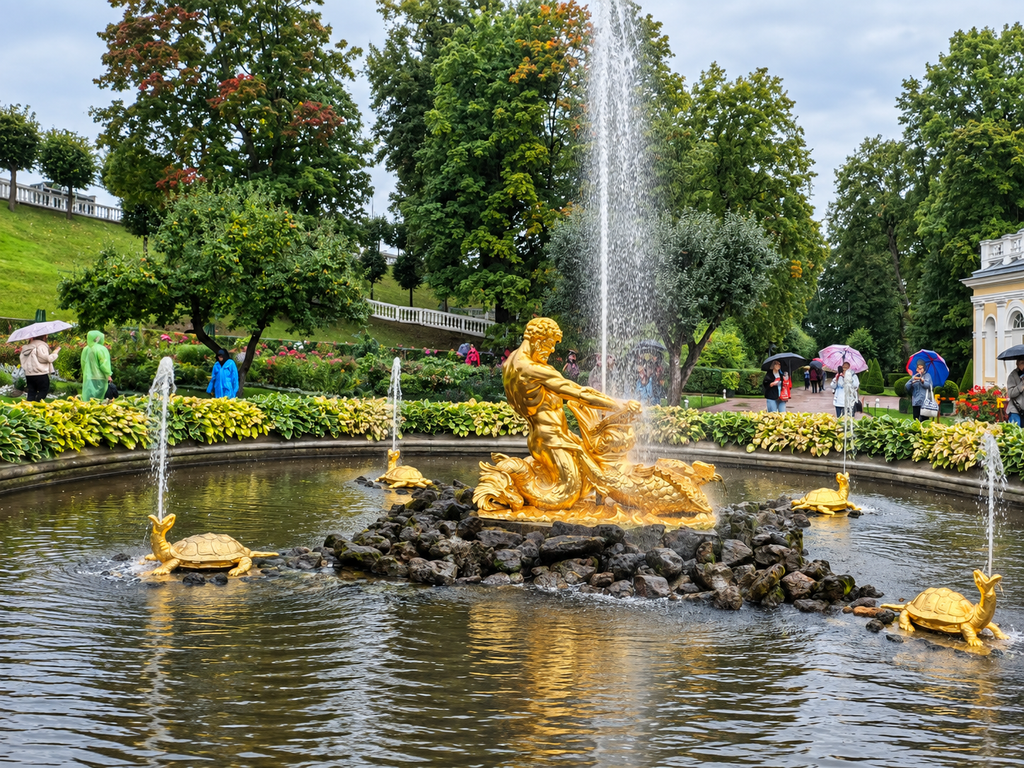
That feeling of extravagant frivolity runs through parts of imperial Saint Petersburg – pleasure elevated into architecture. Fountains designed to surprise guests, enormous ballrooms, elaborate gardens, gilded chambers, porcelain, chandeliers, ceremonial staircases and buildings constructed to produce wonder.
Yet frivolity on this scale existed through the labour of people whose own lives contained very little of it.
At the Stieglitz Museum of Applied Arts, craftsmanship is everywhere – in carved wood, ceramics, metal, textiles, ornament, walls, ceilings and staircases. The building itself seems intent on reminding visitors that functional objects have every right to be beautiful.
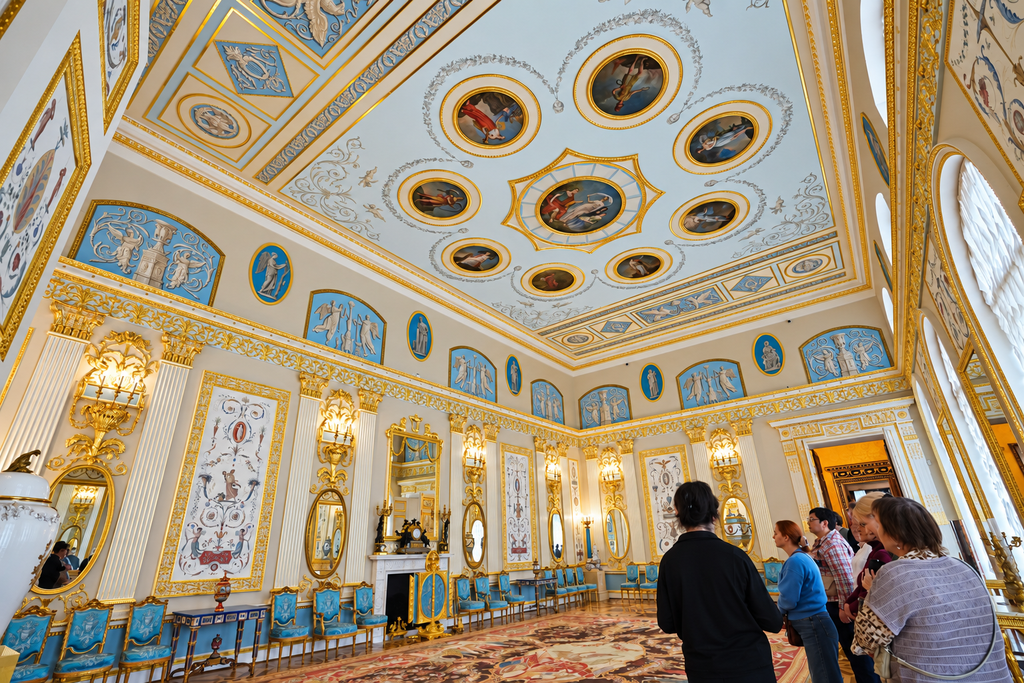
This is another striking feature of Saint Petersburg: beauty is architectural, decorative and cumulative. You begin by photographing palaces and soon find yourself staring upwards at ceilings, stairwells, cornices, façades and doorways. Even the spaces between the famous monuments possess architectural coherence.
We then moved onto the palaces.
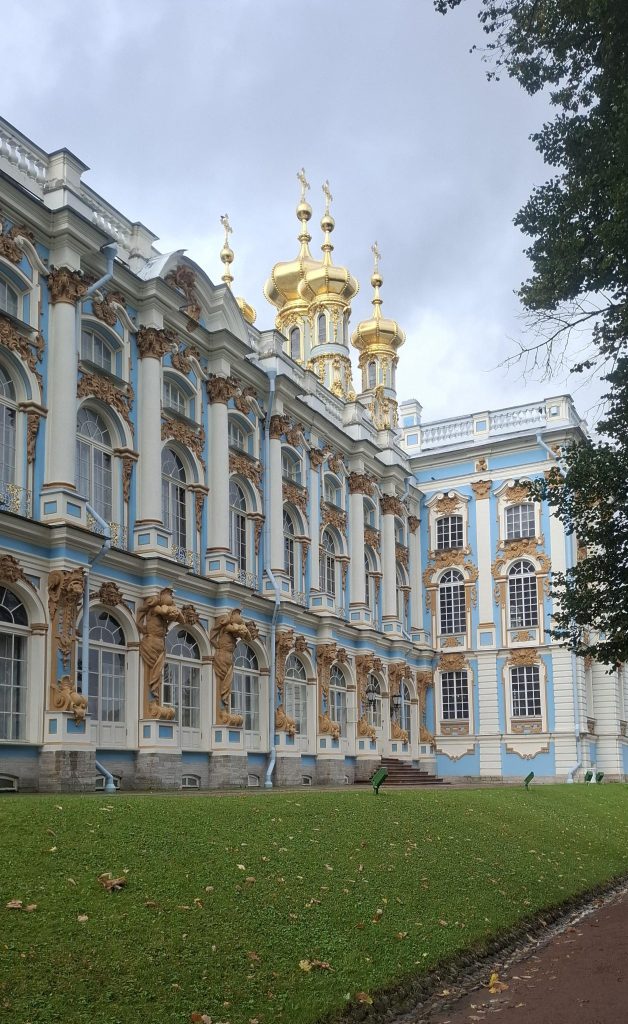
At Tsarskoye Selo, Catherine Palace unfolds in astonishing sweeps of blue, white and gold. The eighteenth-century transformation under Empress Elizabeth, with Bartolomeo Rastrelli at its centre, created one of the great Baroque statements of imperial Russia.
The initial response is simply awe.
Photographs do not prepare you for the scale, nor for the accumulation of detail once inside. Gold seems to move across walls. Mirrors multiply rooms. Windows pull gardens into the interiors. Each chamber leads to another that appears determined to exceed the one preceding it.
Then the political mind catches up with the eyes.
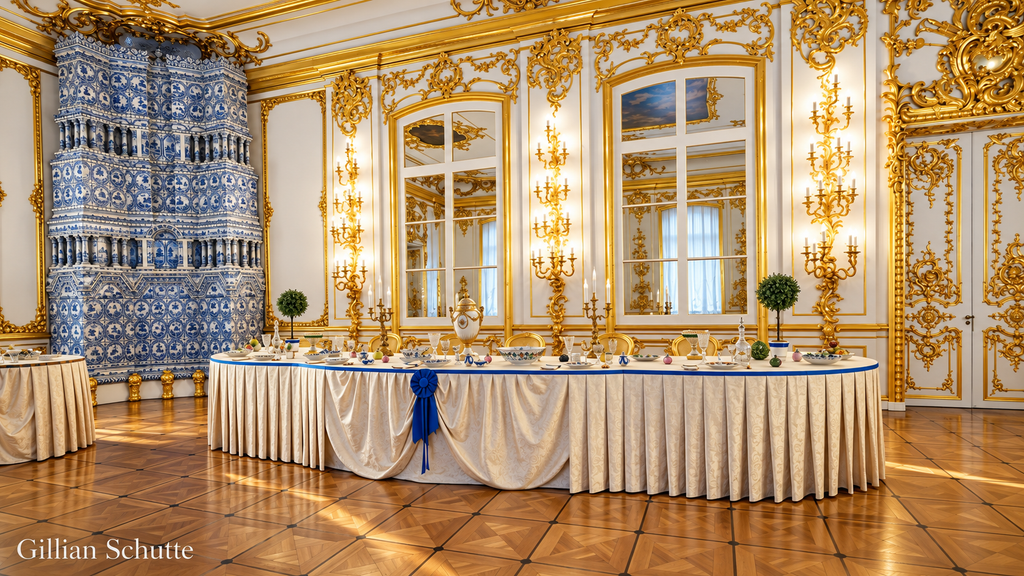
Rooms dripping with gilding existed within an empire in which the overwhelming majority lived far removed from such excess. Russia remained an overwhelmingly agrarian society, with millions bound through serfdom until emancipation in 1861. The court, aristocracy and major landowners inhabited a world of extraordinary privilege.
If we use contemporary language, these were the oligarchs of their time.
Their fortunes took different legal forms and their titles were counts, princes, grandees and imperial favourites, but the concentration of wealth is familiar. Entire estates existed to sustain the lives of a tiny ruling stratum while peasants and labourers inhabited another economic universe.
It adds a political dimension to the beauty.
And yet it is impossible to resent the artistry itself.
That is one of Saint Petersburg’s great provocations. These buildings force you to hold beauty and inequality in the same thought. You understand the social order that produced them while remaining astonished by what architects, painters, sculptors, craftsmen, gardeners and engineers created.
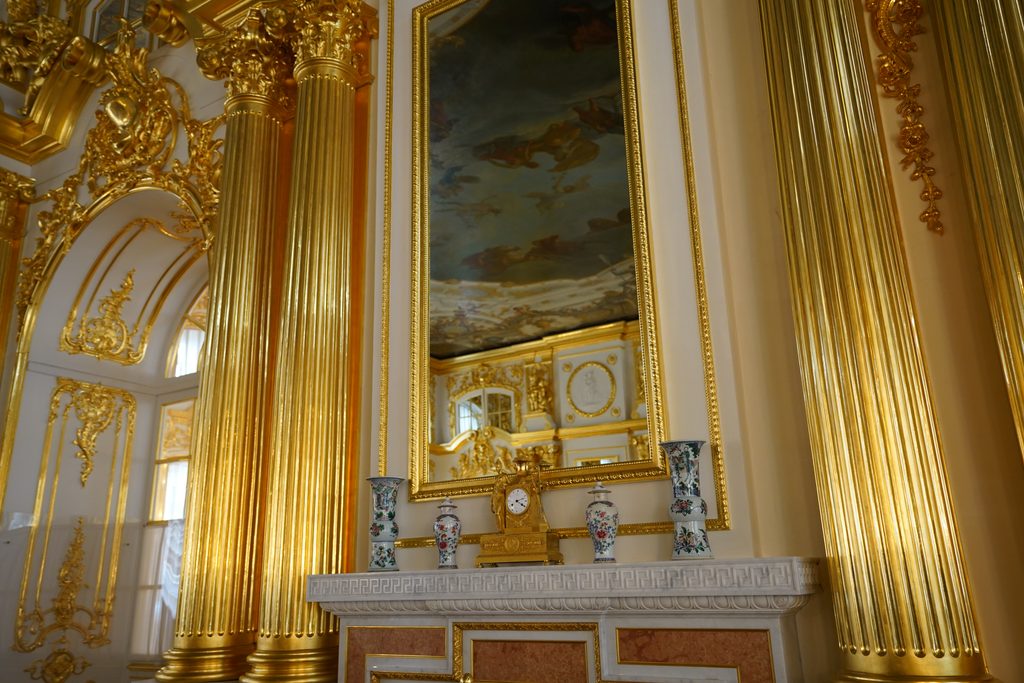
The revolution changed the ownership and meaning of many of these spaces. After 1917, former imperial residences were nationalised and turned into museums and educational spaces. Peterhof, once a spectacular expression of dynastic power, became accessible to a vastly broader public.
We then met the war.
It is here that the story acquires an entirely different emotional force.
Saint Petersburg was Leningrad when Nazi Germany invaded the Soviet Union. The siege began in September 1941 and lasted until January 1944. Hunger, bombardment and bitter winter conditions killed vast numbers of civilians. At the lowest point during the first winter, the daily bread ration for some civilians fell to 125 grams.
We encountered this history partly through the windows of our vehicle as we moved across the city. A guide points out a building, a memorial, an area associated with the siege, a surviving mark of bombardment – and suddenly the elegant streets around you acquire another dimension.
I found myself wanting the bus to stop.
The history of the Siege of Leningrad deserves an entire tour of its own.
It is too immense to absorb as historical fragments between destinations. I would return to Saint Petersburg simply to follow that history slowly – the streets where people queued for bread, the buildings damaged by artillery, the memorials, the cemeteries, the routes along which food reached the besieged population, the stories of families who somehow survived and those who did not.
To drive through the present city while hearing what happened there is to understand how inadequate the word “history” sometimes feels.
People starved in these streets.
Children kept diaries as their families died.
Museum workers protected artworks.
Scientists safeguarded irreplaceable collections while themselves suffering hunger.
And outside the city, the palaces suffered catastrophic destruction.
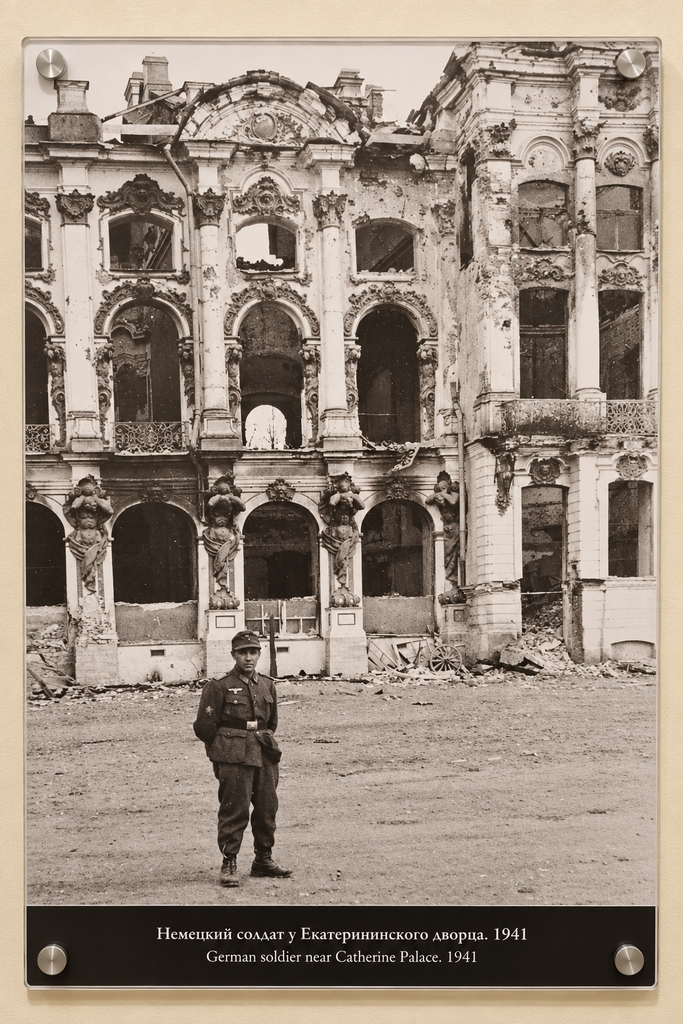
Peterhof was occupied by German forces in September 1941. Its Grand Palace was devastated, interiors destroyed and works of art looted or lost. The park and fountain system were severely damaged. Other imperial estates, including Gatchina and Tsarskoye Selo, also suffered enormously.
One of the parts of this history that moved me most was the Soviet state rebuilt.
Here was a revolutionary society that had overthrown the monarchy and abolished the political order that produced these palaces, yet architects, historians, artists, craftspeople, museum workers and ordinary citizens devoted enormous effort to reconstructing the cultural inheritance of the society they had replaced.
That is an extraordinary historical paradox.
The palace no longer belonged to a tsar.
It belonged to the people.
What had once embodied concentrated aristocratic wealth was turned into public cultural inheritance.
The painstaking restoration continued for decades. Decorative fragments were studied. Drawings and photographs were consulted. Lost carvings, gilding, furniture and interiors were painstakingly reconstructed. Fountains destroyed during the war were brought back to life.
Knowing this changes the way you look at the beauty.
A gilded room is no longer simply an imperial room. It is also the work of Soviet conservators who reconstructed it from photographs, fragments and surviving records after Nazi destruction. A restored fountain carries Peter’s eighteenth-century imagination and the labour of twentieth-century people who decided that destruction would not have the final word.
That gives Saint Petersburg’s beauty another dimension entirely.
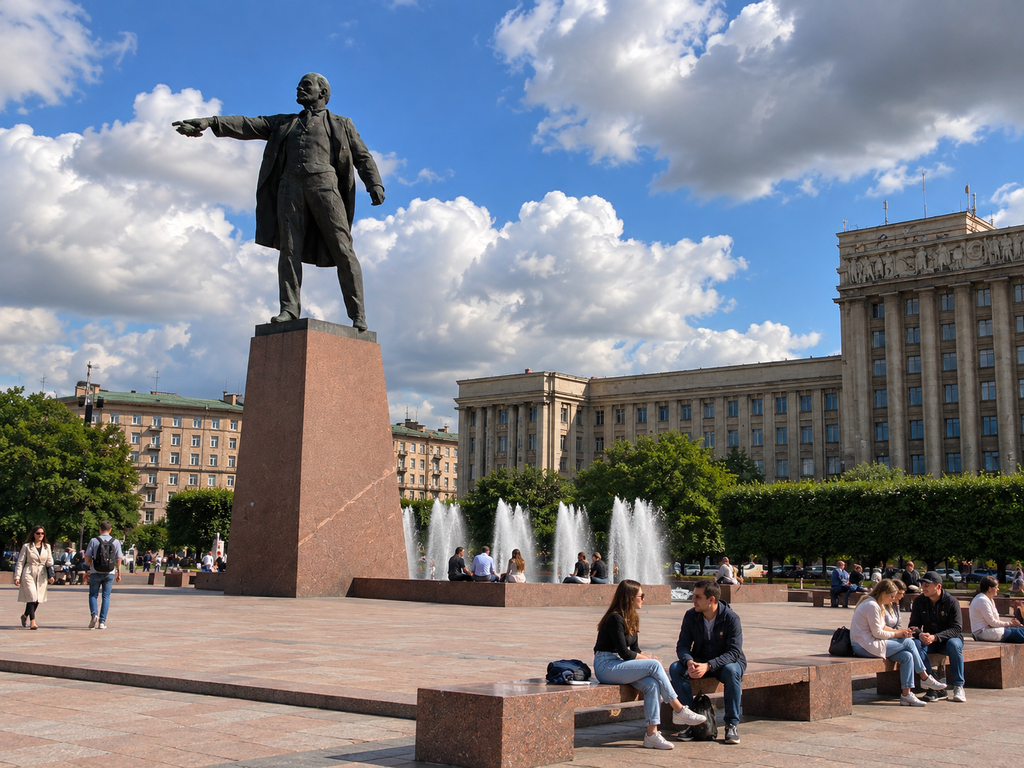
Present-day Saint Petersburg continues that long commitment to preservation. Restoration projects remain visible across the city, linking contemporary Russia to both its imperial and Soviet inheritance. There is a palpable civic pride in this continuity. The city appears conscious of what it holds.
The result is not a city frozen in nostalgia.
Saint Petersburg keeps pulling your eyes towards the future.
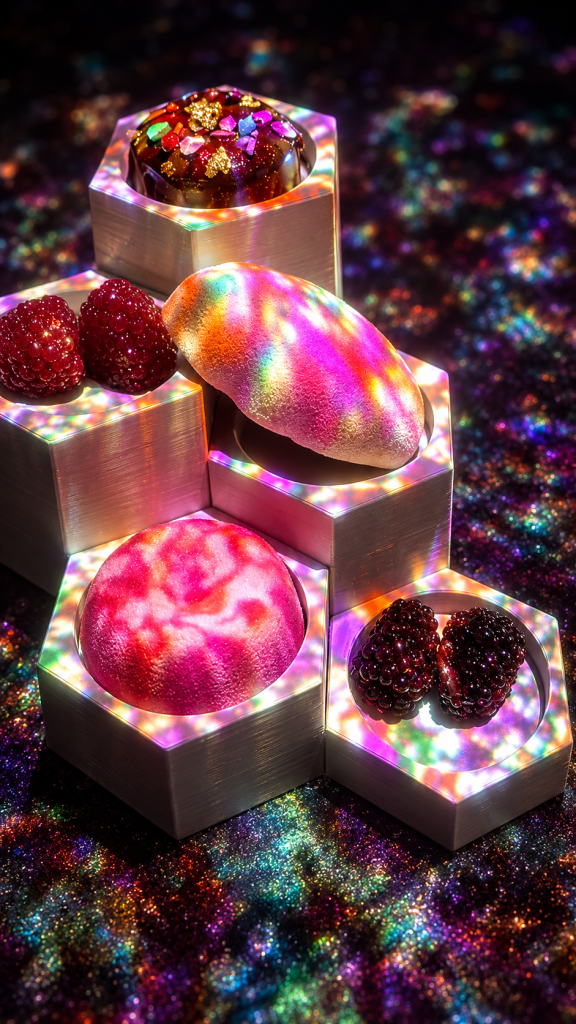
Our journey repeatedly shifted from eighteenth-century interiors into contemporary design, gastronomy and technology. Modern restaurants approached food almost as conceptual art. Courses arrived that played with texture, temperature, presentation and expectation. This was food imagining what dining itself might become.
That sense of experimentation found its fullest expression at Futurione Emotions.
Here the conventional museum disappears almost entirely.
Light, mirrors, projection, digital imagery, sound and movement pull the visitor inside the experience. Our dinner unfolded through this immersive world, with food, digital art and physical space becoming part of one continuous sensory journey. After days spent gazing at gilded ceilings, eighteenth-century furniture and historic craftsmanship, we suddenly entered spaces that seemed to belong to another century altogether.
It was another kind of magic.
Saint Petersburg clearly has no intention of becoming a museum of itself.
That becomes even clearer when the historic skyline gives way to the extraordinary silhouette of Lakhta Center.
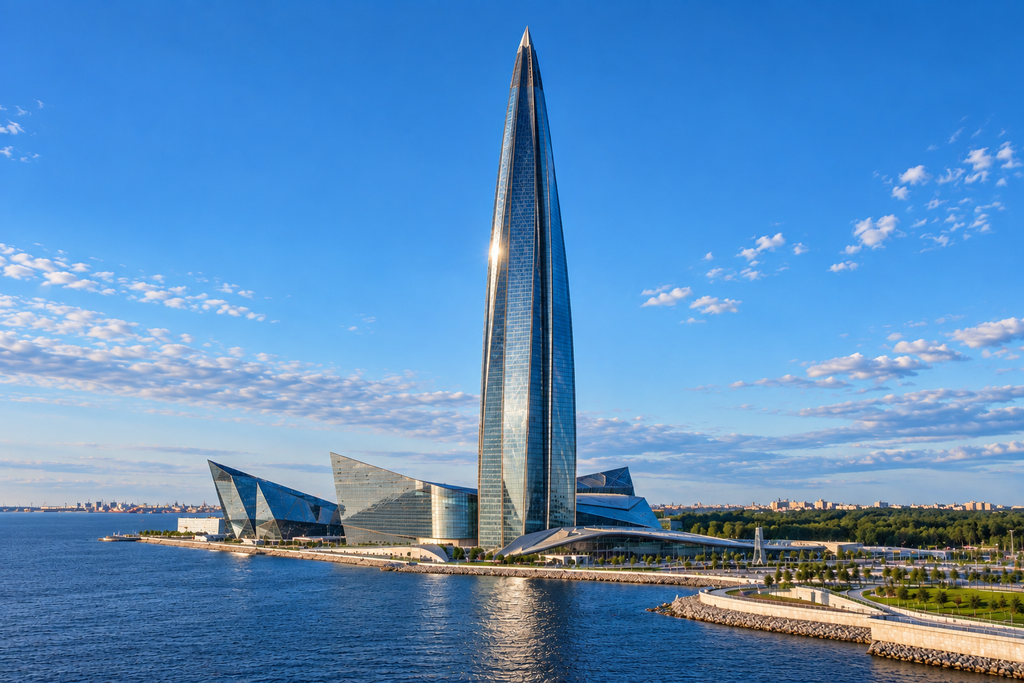
Rising beside the Gulf of Finland, the tower reaches 462 metres and is the tallest building in Europe.
Even from a distance, Lakhta changes the visual grammar of Saint Petersburg.
For centuries this has been a city defined by horizontal perspectives – rivers, canals, long façades, domes and spires. Then suddenly this enormous glass form twists upwards beside the water, announcing contemporary Russia on the edge of Peter’s old maritime gateway.
And beyond it lies the Gulf of Finland.
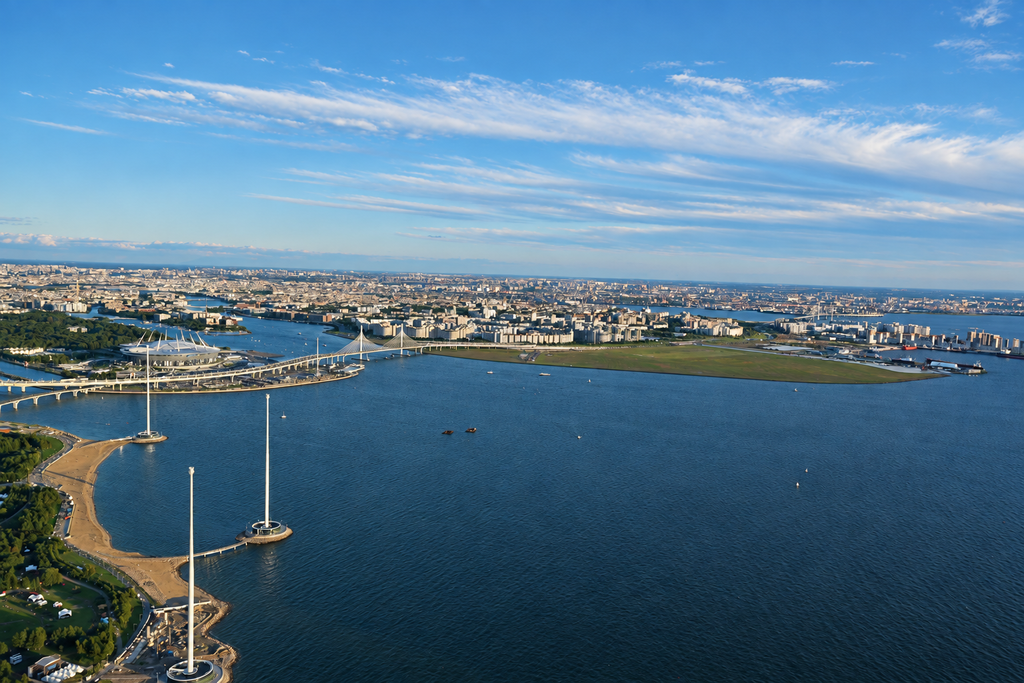
That geography helps explain the entire city.
Saint Petersburg faces the Gulf and, through it, the Baltic Sea. Peter’s obsession with this location was geopolitical. Access to these waters fundamentally changed Russia’s relationship with Europe and the maritime world.
But the Gulf also lends the city another quality.
There is open water, northern light, wind coming off the Baltic, stretches of coastline and an expansiveness very different from the dense magnificence of the historic centre. It gives the city breath.
You suddenly understand that Saint Petersburg is simultaneously a palace city, a river city and a sea city.
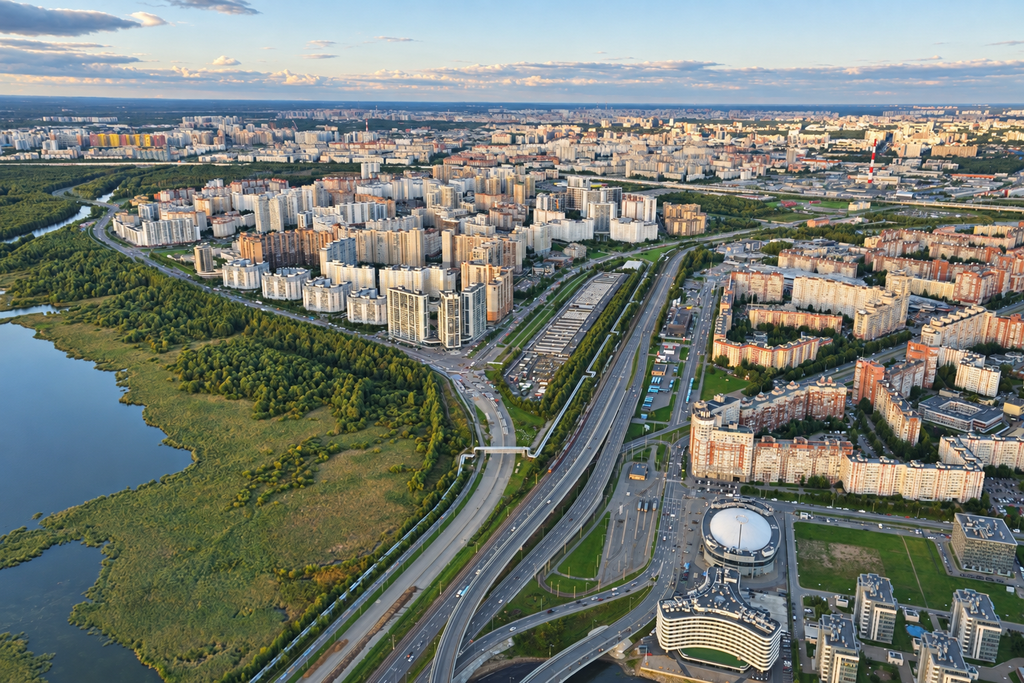
Our late-night journey along the rivers and canals revealed yet another face.
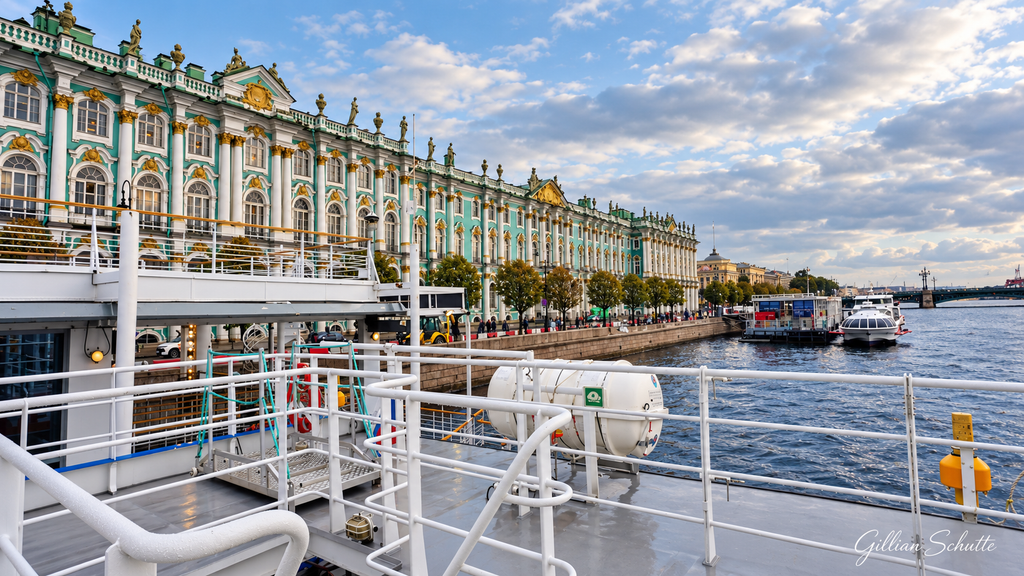
Leaving Senate Pier close to midnight, we watched illuminated façades dissolve into reflections across the Neva. Then the great bridges began to rise.
There is nothing hurried about the experience. The city seems to expand across water. Domes hover above the embankments and stone gives way to reflection. Lights tremble across the river. Buildings that are already magnificent by day acquire an almost dreamlike quality from the water.
For a group that had been talking almost continuously for days, there were moments of complete silence.
Sometimes beauty leaves very little useful to say.
Our visits to hotels added another layer to the city’s history of hospitality, culminating in our stay at the Grand Hotel Europe. Its grand interiors, enormous rooms, staircases, historic detailing and rooftop spaces carry the atmosphere of an older cosmopolitan Saint Petersburg into the present. Chocolates waited for us in our rooms, a small detail after days of enormous historical narratives, but a delightful one nonetheless.
And perhaps that contrast sums up the journey.
Saint Petersburg moves effortlessly between the monumental and the intimate.
Peter the Great and a hidden fountain.
Revolution and dinner.
The horrors of Leningrad and the beauty of the Neva.
Imperial extravagance and Soviet reconstruction.
A Baroque palace and Europe’s tallest skyscraper.
Ancient craftsmanship and an immersive digital future.
There is simply nowhere else I have encountered quite this density of history married to such overwhelming architectural beauty. One century does not replace another here. They remain visible together. Imperial façades stand alongside memories of revolution. Restored palaces carry traces of Nazi destruction and Soviet reconstruction. Contemporary buildings rise beside waterways engineered into the imagination of Peter the Great three centuries ago.
By the time we reached Gatchina Palace and later our final dinner near Pulkovo Airport, the problem with a five-day tour had become obvious.
Five days is impossible.
There is just too much here.
We had travelled at full pace and still left with an expanding list of things we had only glimpsed, driven past, heard about or realised deserved several hours – sometimes several days – of their own. Every encounter seemed to reveal three more histories behind it.
I want to return to the history of Leningrad and follow the siege through the city slowly.
I want more time along the Gulf of Finland.
I want to understand the neighbourhoods beyond the monumental centre, the Soviet architecture, the literary city, the revolutionary city and the contemporary city that exists between the famous landmarks.
I want to walk rather than drive through some of those streets and look upwards without a timetable.
That is perhaps the greatest success of a familiarisation trip.
You arrive expecting to be shown a destination.
You leave aware of how much remains unseen.
What enriched the journey immeasurably were our tour guides. Each held a degree in history, and their knowledge gave the city depth at every turn. They did far more than recite dates and names. They located buildings within political eras, explained the lives of rulers alongside those of ordinary people, traced the devastation of war through streets and palaces, and connected imperial Russia, revolution, Leningrad, the Soviet period and contemporary Saint Petersburg into one unfolding historical narrative.
Often the journey between destinations became as compelling as the destinations themselves.
Their commentary made it impossible to see a façade as simply a façade, or a palace as simply a palace. A passing building might open onto a story of siege, revolution, aristocratic excess, Soviet reconstruction or the lives of those who had occupied that street centuries earlier. At times I wanted the bus to slow down simply so that we could absorb it all.
And through their knowledge you sensed something else: profound pride in this city and in the survival of its history.
Not a shallow civic boosterism, but pride rooted in memory. Pride in what was built. Pride in what survived. Pride in what was reconstructed after enormous destruction. Pride in the artists, writers, architects, musicians, workers and ordinary citizens whose lives accumulated here over three centuries.
What remains with me is the extraordinary density of it all.
Saint Petersburg is beautiful, certainly, but the word beautiful begins to feel inadequate after several days here.
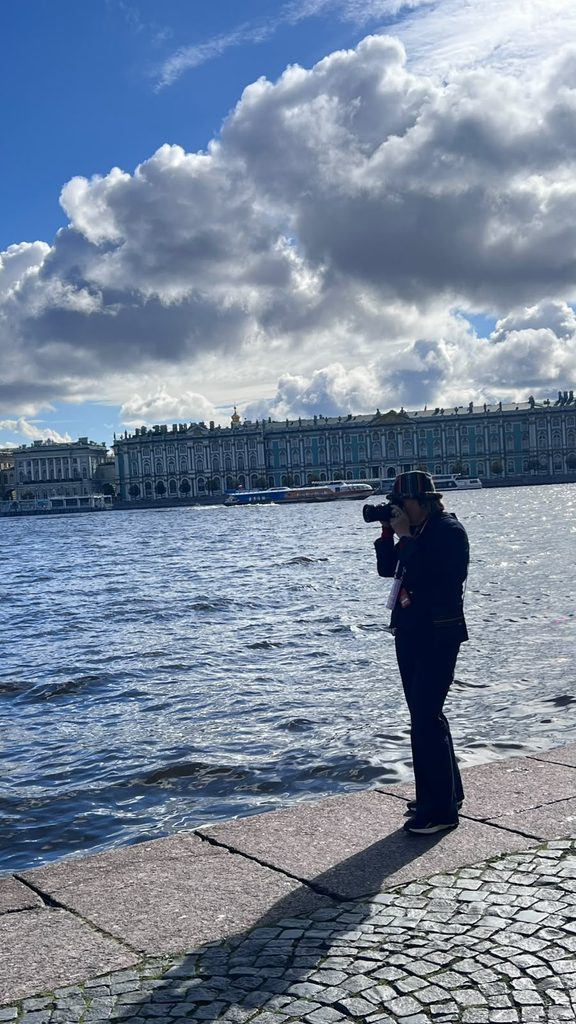
This is why I would say to people who have allowed the present geopolitical climate to make Russia seem remote, frightening or somehow beyond ordinary human encounter: put some of that fear aside and go and see for yourself.
Do not allow governments, headlines or the relentless geopolitical framing of Russia in much of the Western media to become a substitute for firsthand experience.
Travel introduces complexity. It gives countries back their people. It replaces an abstract geopolitical object with streets, conversations, humour, art, food, memory, architecture and ordinary human exchange.
Experience the place instead of allowing somebody else to experience it on your behalf.
Five days allowed Sipho and me to see Saint Petersburg.
It also taught us that we had barely begun.
For more information about visiting St Petersburg follow links here:
Telegram: @visit_petersburg